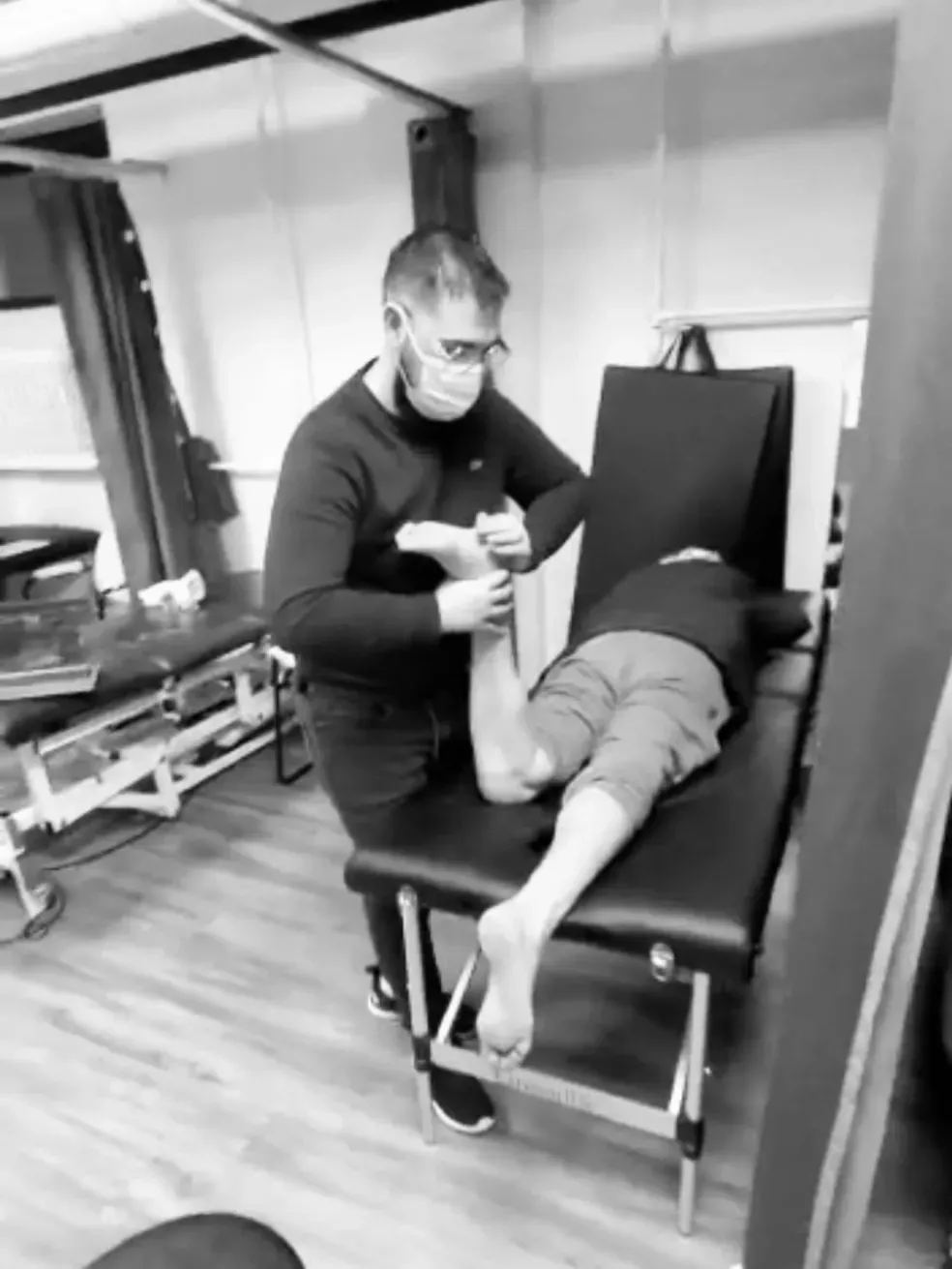
Ensuring the healthy physical development of children is a top concern for parents and caregivers. The early years lay the foundation for a child’s overall well-being, and physiotherapy plays an important role in supporting this development. Let’s explore the role physiotherapy plays in addressing the unique needs of children and managing pediatric conditions.
Key Aspects of Childhood Development
- Motor skills development: physiotherapy promotes the development of fundamental motor skills, including crawling, walking and coordination. These skills are essential for a child to explore their environment and take part in various activities.
- Posture and alignment: proper posture and alignment are crucial for growing bodies. Physiotherapists identify and address posture issues, which can affect a child’s comfort, confidence and physical well-being.
- Muscle strength and flexibility: strong and flexible muscles are vital. Physiotherapy includes exercises and activities that build muscle strength, joint flexibility and overall physical resilience.
- Balance and coordination: physiotherapists use strategies to improve a child’s balance and coordination, skills that are essential for sports, play and even some school tasks.
- Pain management: children may experience musculoskeletal issues that cause pain. Physiotherapy offers non-invasive approaches to manage pain and discomfort.
Managing Pediatric Conditions Through Physiotherapy
- Cerebral palsy: tailored exercises and interventions aim to improve mobility, muscle tone and the overall physical well-being of children with cerebral palsy.
- Developmental delays: children with developmental delays benefit from targeted interventions, especially for fine and gross motor skills, balance and coordination.
- Orthopedic conditions: physiotherapists work with children facing orthopedic challenges, such as congenital disorders or injuries, to promote healing, restore mobility and prevent complications.
- Neuromuscular disorders: individualized plans address the unique needs of each child with a condition affecting the nervous system and muscles.
Holistic Approach to Child Well-being
Physiotherapy takes a holistic approach to child development, recognizing the connection between physical, emotional and cognitive aspects. Through engaging, age-appropriate activities, physiotherapists create a positive environment that encourages a child’s natural curiosity and desire to explore.
Conclusion
Physiotherapy is a valuable resource for nurturing children’s physical development and managing pediatric conditions. If you have concerns about your child’s development, consulting a physiotherapist can provide valuable insight and guidance. Every child deserves the opportunity to thrive physically.