Osteoarthritis is a common condition that affects millions of people, causing pain, stiffness and reduced joint function. While there is no cure for osteoarthritis, physiotherapy can play an important role in managing symptoms and improving joint health.
Understanding Osteoarthritis
Osteoarthritis occurs when the protective cartilage that cushions the ends of the bones wears down over time. It can affect any joint, but it most commonly occurs in the knees, hips, hands and spine. As the cartilage deteriorates, bones can start to rub against each other, leading to pain, swelling and reduced mobility.
The Role of Physiotherapy
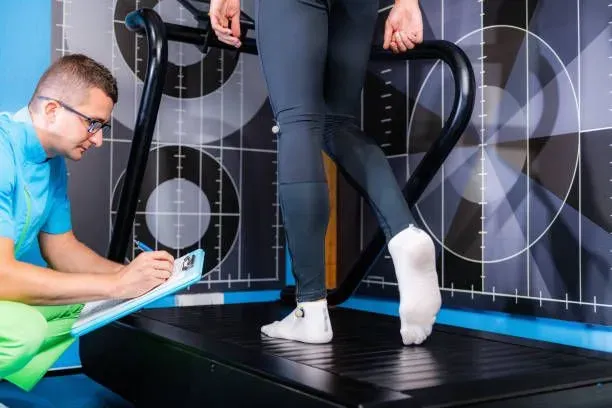
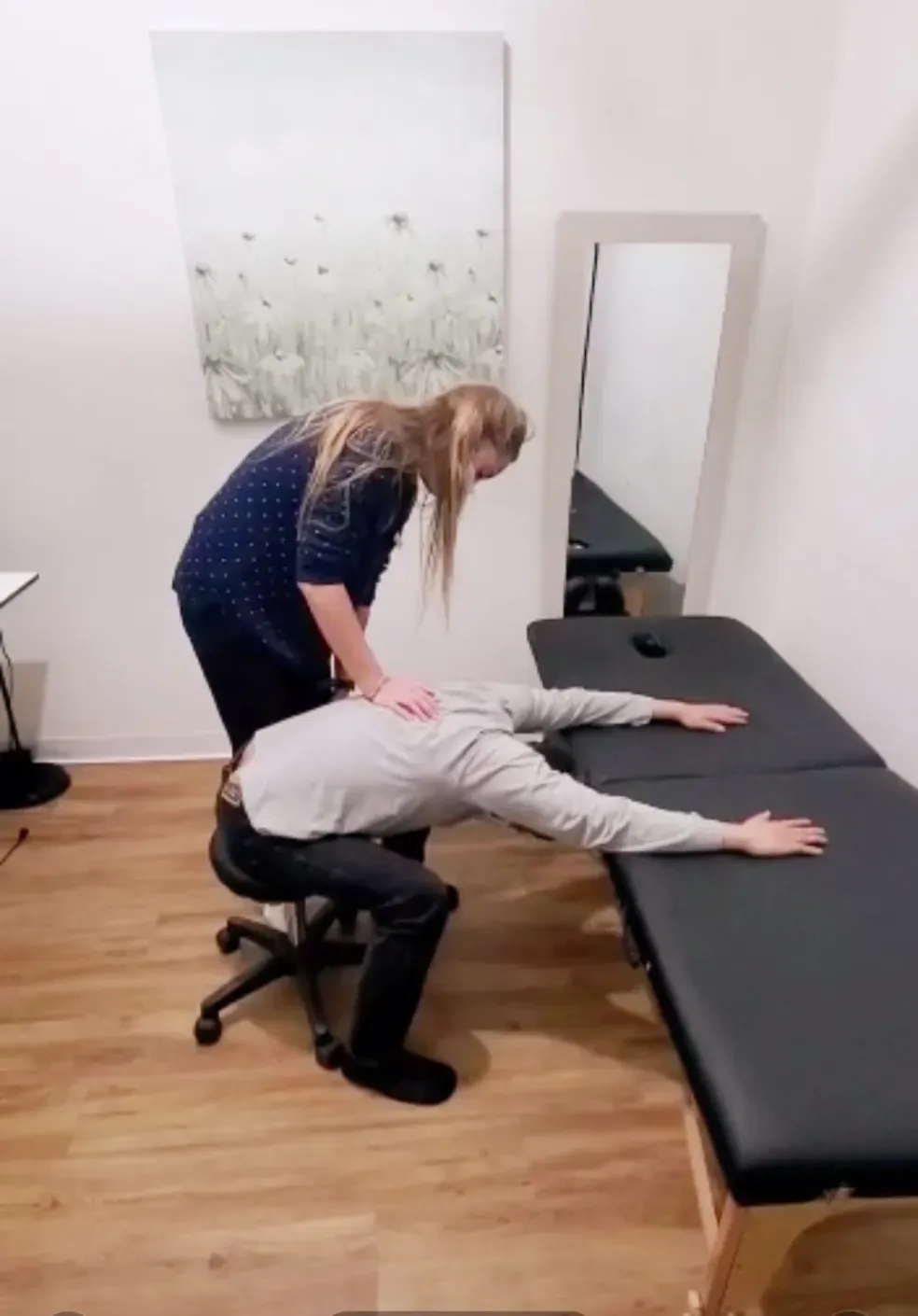
Physiotherapy aims to improve the quality of life of people with osteoarthritis by addressing pain, improving joint function and promoting overall well-being. Here are the key strategies:
- Tailored exercise programs: to improve flexibility, strengthen the muscles around the joints and promote stability.
- Low-impact aerobic exercise: walking, swimming and cycling help maintain flexibility and reduce pain without excessive stress on the joints.
- Range of motion exercises: gentle, controlled movements to prevent stiffness.
- Joint protection techniques: ergonomic advice, proper body mechanics and assistive devices to reduce joint stress in daily activities.
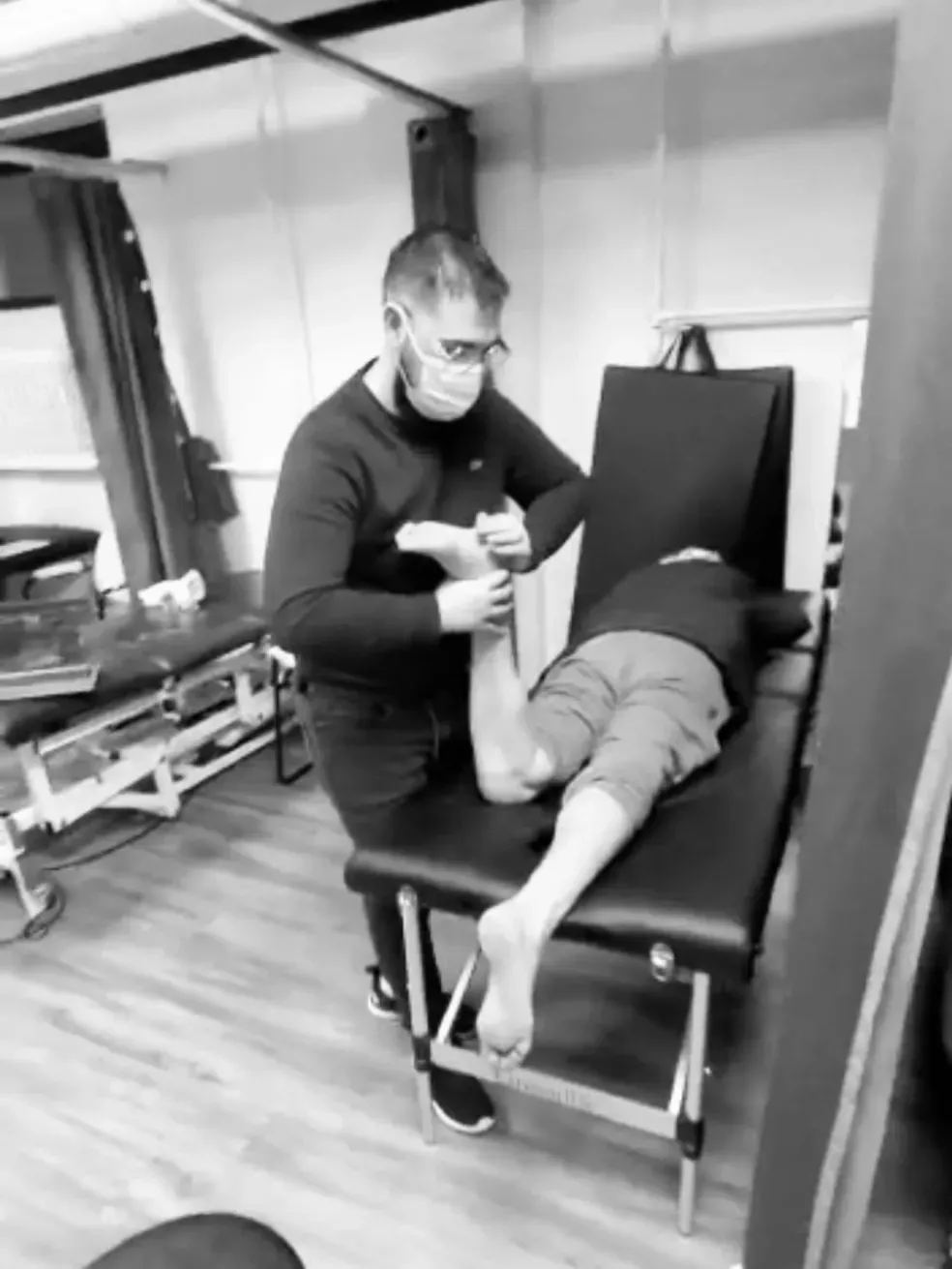
- Manual therapy: joint mobilization and massage to relieve pain and improve mobility.
- Education and lifestyle: weight management and tips to protect your joints in daily activities.
- Pain management: heat and cold, electrical stimulation (such as TENS) and ultrasound.
Take Charge of Your Joint Health
Living with osteoarthritis doesn’t mean accepting constant pain and limited mobility. By following a personalized plan, doing the recommended exercises and adopting joint-friendly habits, many people experience real improvements in their well-being. Every journey is unique: consult a physiotherapist to create a plan that fits your needs and goals.