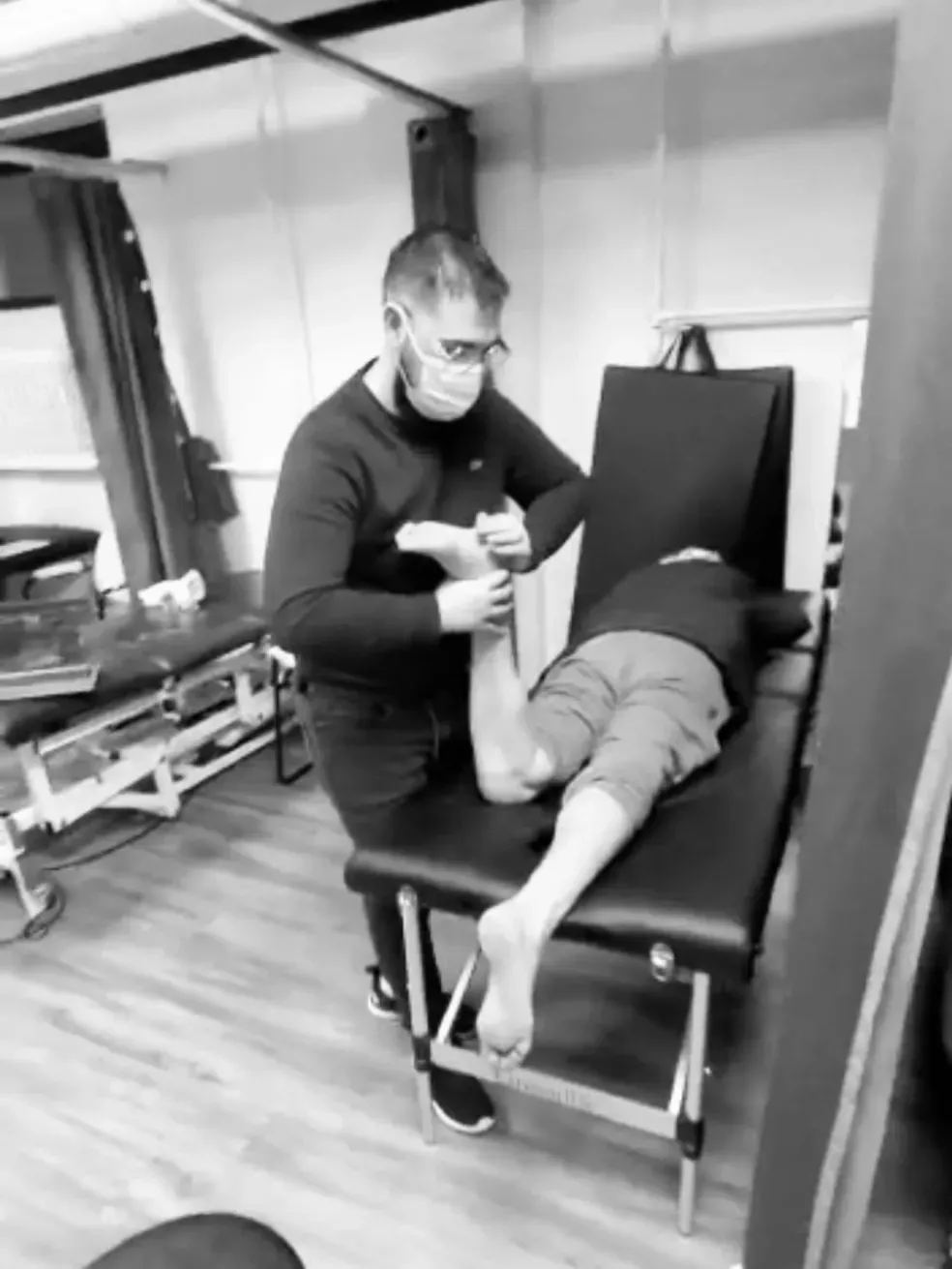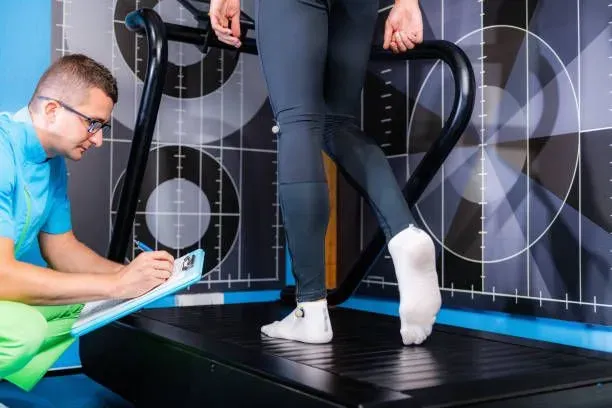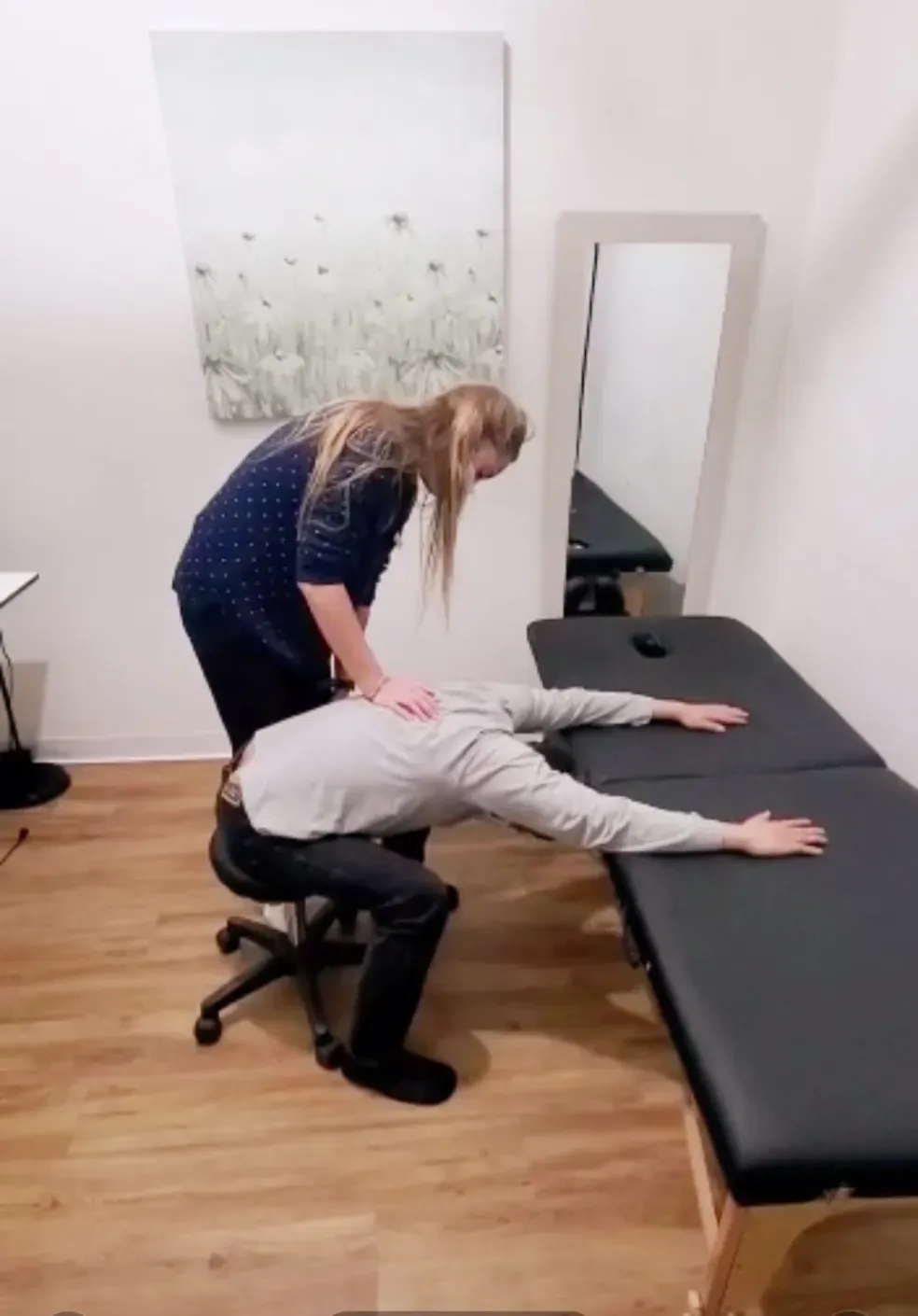
Good musculoskeletal health is essential for an active, pain-free life. From back pain to knee problems, these conditions can limit daily activities. Fortunately, physiotherapy plays an important role in their treatment and rehabilitation.
1. Back pain
One of the most common complaints at any age. A physiotherapist can prescribe exercises to strengthen the core, improve flexibility and correct posture, along with manual therapy to reduce pain.
2. Shoulder injuries
These can result from overuse, trauma or wear of the joint. Physiotherapy helps restore range of motion, strengthen the rotator cuff and stabilize the shoulder.
3. Knee problems
ACL tears, meniscus injuries or osteoarthritis: physiotherapy helps manage pain and recover after surgery, with strengthening and stability exercises.
4. Neck pain
Caused by poor posture, muscle strain or conditions such as cervical spondylosis. Manual therapy and targeted exercises help reduce pain and improve mobility.
5. Ankle sprains
Common among active people. Physiotherapy strengthens the ankle muscles and improves balance and proprioception to reduce the risk of future sprains.
6. Carpal tunnel syndrome
It causes numbness and tingling in the hand and wrist. Physiotherapy may include wrist exercises, nerve gliding techniques and ergonomic advice.
7. Tennis elbow / golfer’s elbow
Overuse injuries that cause pain in the elbow and forearm. Specific exercises and stretches help relieve pain and support tendon healing.
8. Osteoporosis
It weakens bones and increases the risk of fractures. Physiotherapy offers safe exercise programs to support bone density and improve balance.
9. Herniated disc
It can cause pain due to pressure on the spinal nerves. Physiotherapy helps relieve pain, strengthen the supporting muscles and improve posture.
10. Osteoarthritis
A very common degenerative joint disease. Physiotherapy helps manage pain, improve joint function and maintain mobility.
Workplace Injuries and CNESST
Several of these conditions, such as back pain, shoulder injuries or carpal tunnel syndrome, can follow a workplace injury. Our physiotherapists also support workers with a CNESST claim, from the first assessment to the return to work.
Conclusion
Musculoskeletal conditions can have a major impact on quality of life, but physiotherapy offers effective, non-invasive solutions. By following a personalized plan, people can regain mobility, relieve pain and return to an active lifestyle.