Walking seems like a simple, automatic activity. Yet the way we walk, our gait, can have a major impact on our musculoskeletal health. Let’s explore the importance of gait analysis and how corrective exercises can help prevent injuries.
Understanding Gait
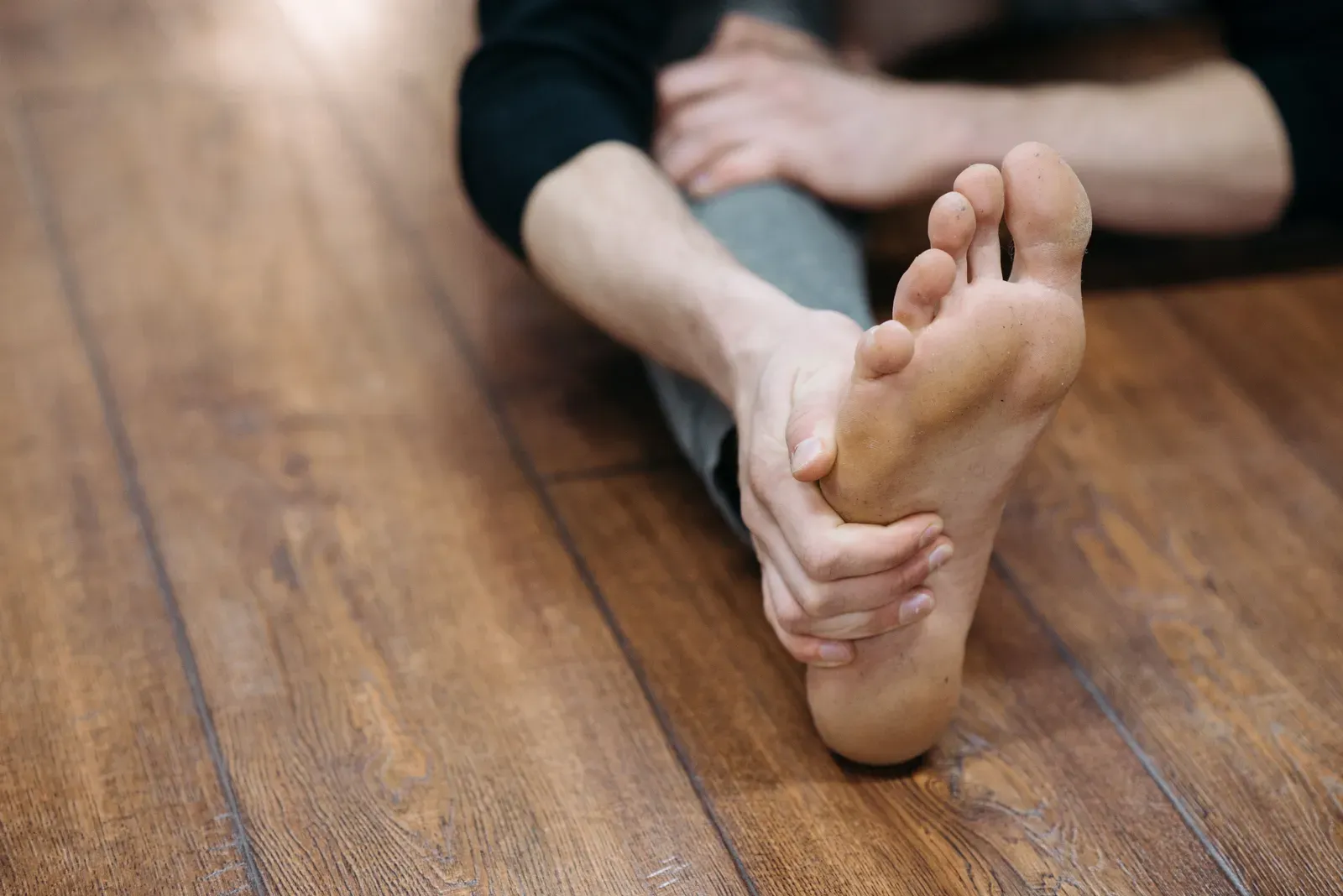
Gait is the pattern of movement of our limbs when we walk. A proper gait allows the body to move efficiently and distribute forces evenly. Gait abnormalities can lead to imbalances, overuse of certain muscles and, eventually, injuries.
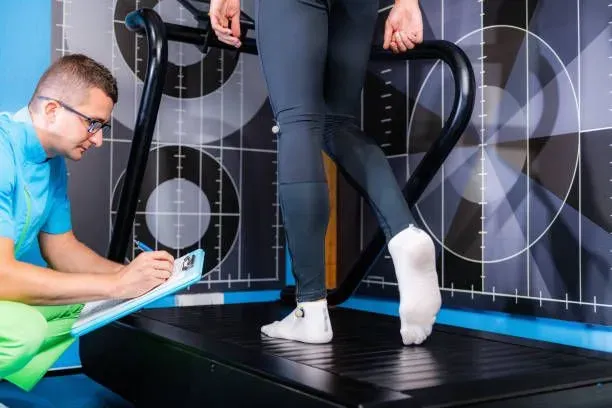
Why Gait Analysis Matters
- Identifying underlying issues: imbalances or musculoskeletal problems that affect walking.
- Injury prevention: correcting abnormalities early helps prevent injuries from long-term gait issues.
- Enhancing performance: athletes can improve efficiency and reduce energy use.
Common Gait Abnormalities
- Overpronation: the foot rolls excessively inward with each step.
- Supination: the foot rolls outward, putting more weight on the outer edge.
- Limps or uneven steps: irregularities in step length or height.
Corrective Exercises
- Strengthening: weak or underused muscles during walking.
- Stretching: tight muscles that restrict movement.
- Balance and proprioception: to improve stability and body awareness.
- Gait retraining: learning to adjust your walking pattern toward more efficient movement.
Taking the First Step
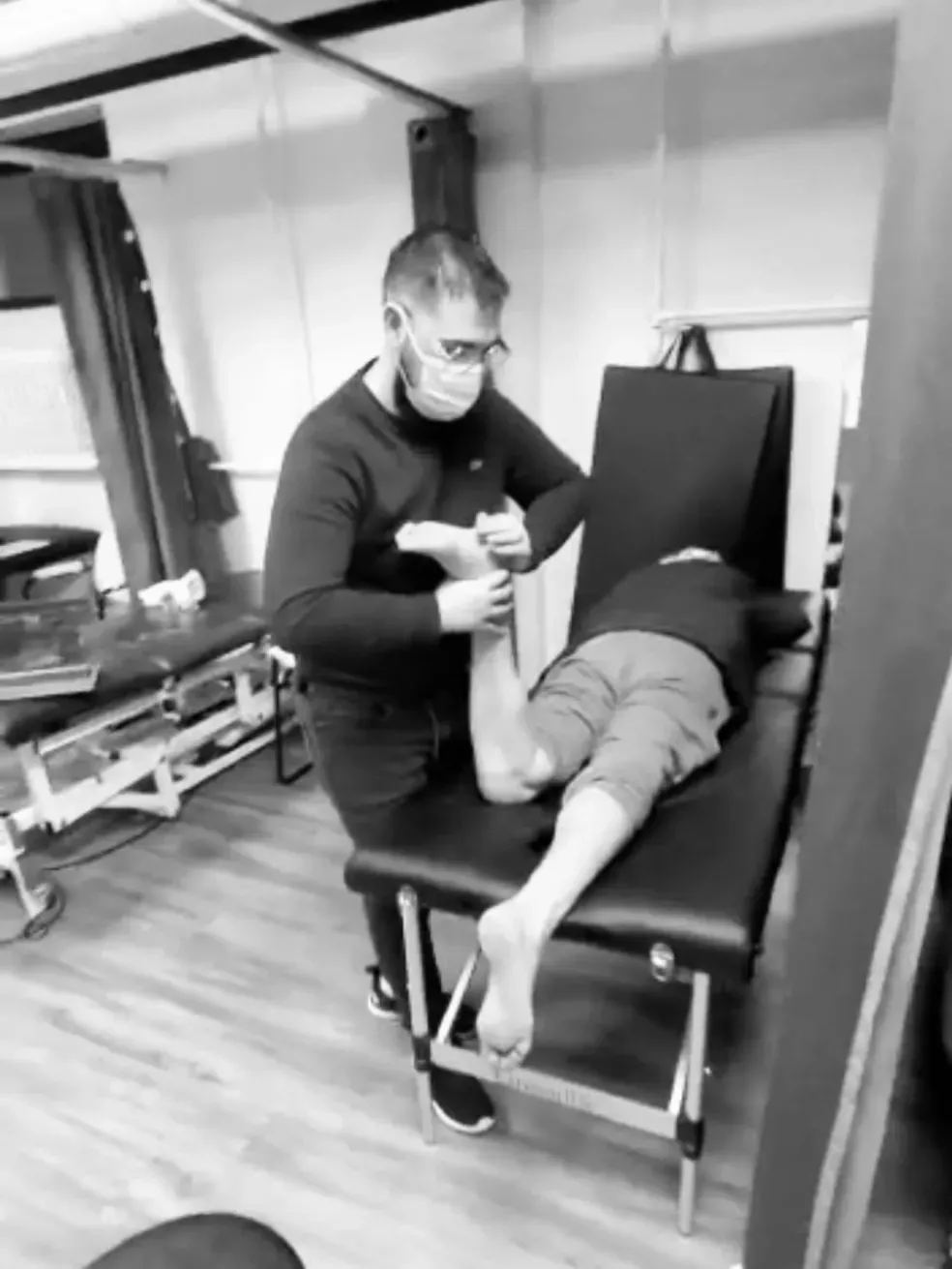
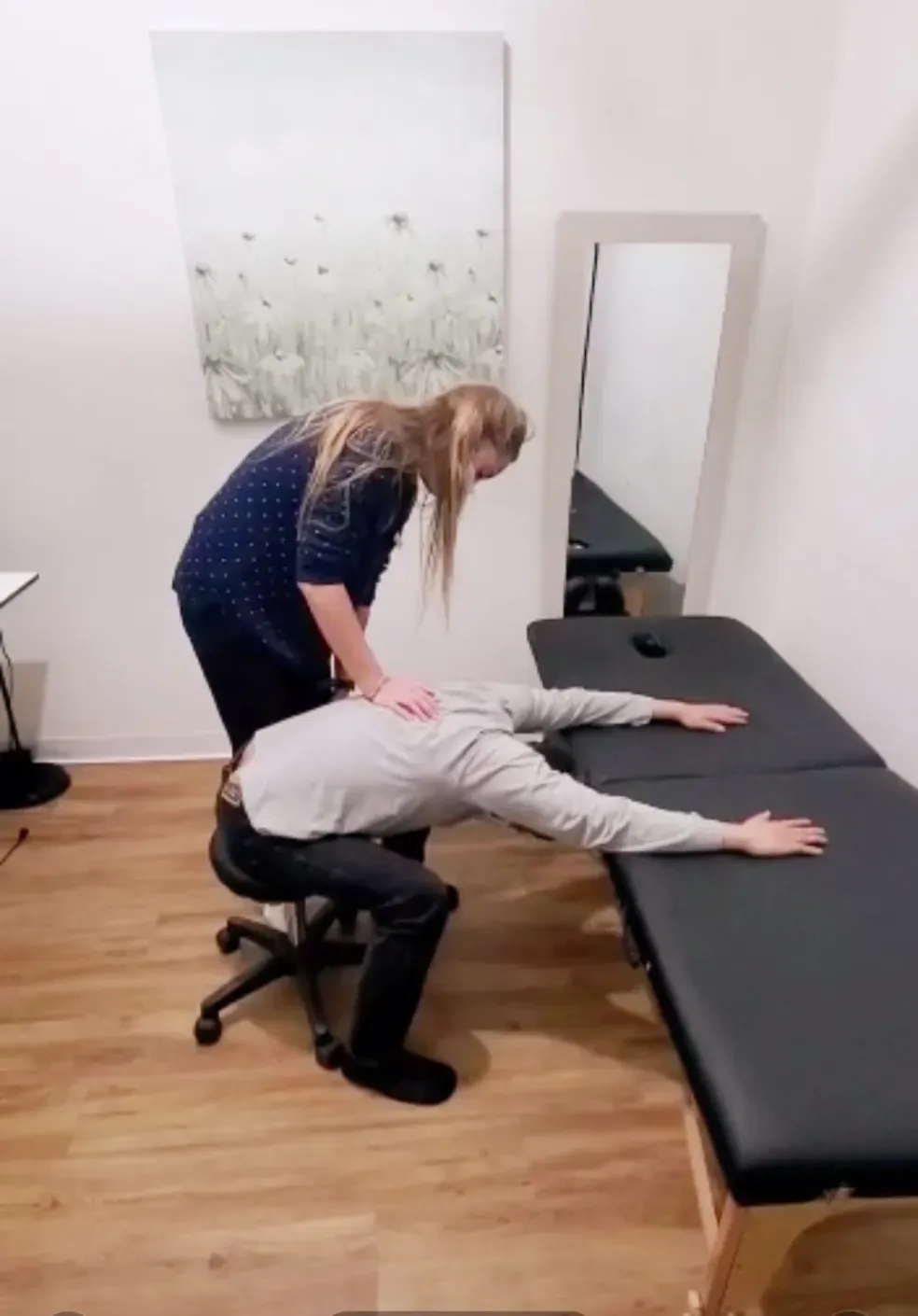
Gait analysis and corrective exercises work best under the guidance of a physiotherapist, who can assess your gait and create a personalized program. Book an appointment with our team to improve the way you move.
Injured at work? Our physiotherapists also support workers with a CNESST claim.