Plantar fasciitis is a common and often painful condition affecting the heel. It occurs when the plantar fascia, a band of tissue connecting the heel bone to the toes, becomes inflamed. This inflammation causes heel pain, especially during the first steps in the morning or after long periods of inactivity.
Causes of Plantar Fasciitis
- Overuse or high-impact activities: repetitive activities such as running or dancing can strain the plantar fascia.
- Improper footwear: shoes with inadequate support or a poor fit can contribute to the problem.
- Foot mechanics: flat feet, high arches or abnormal walking patterns change how weight is distributed on the feet.
- Age and weight: aging and excess body weight add stress to the plantar fascia.
Common Symptoms
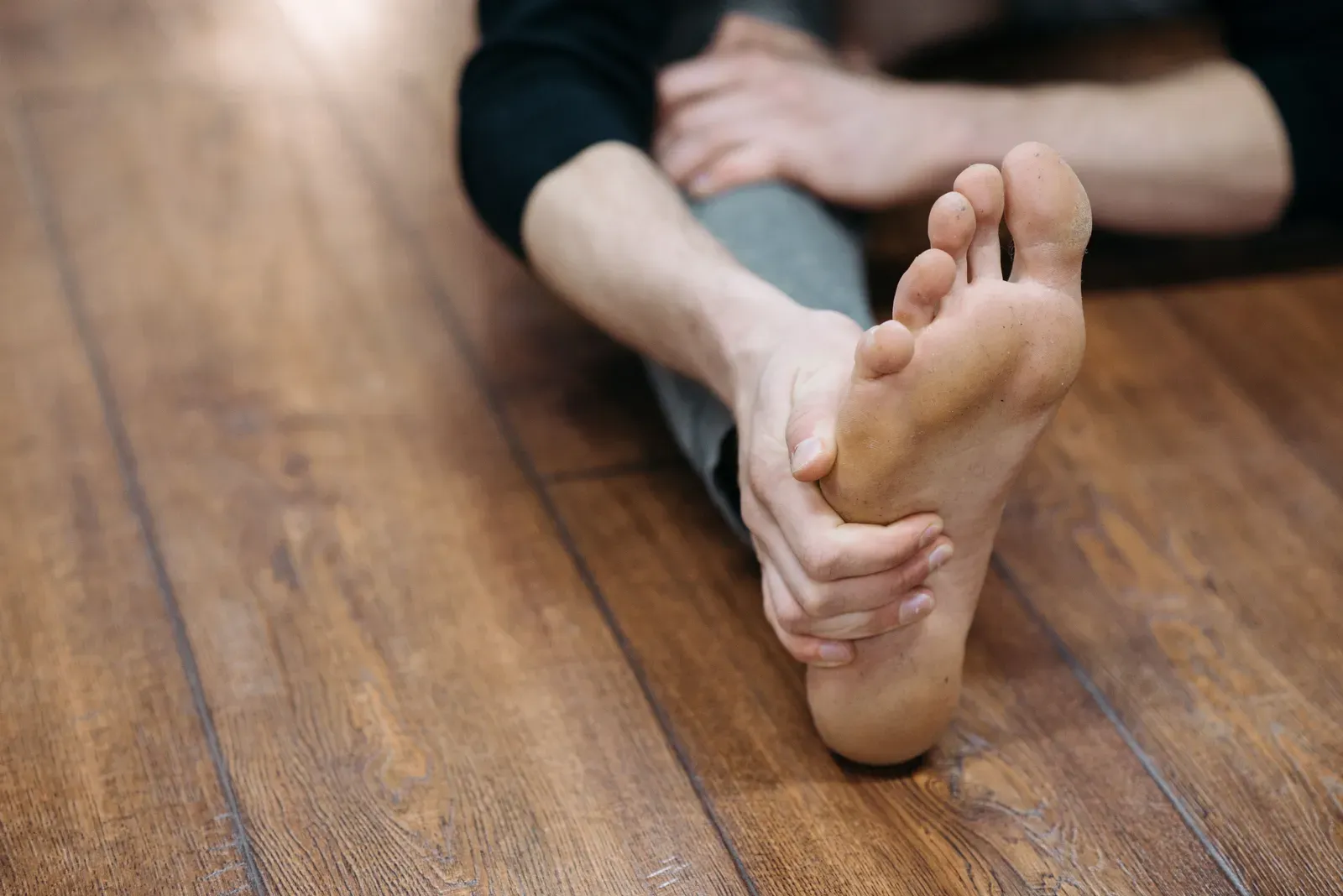
- Heel pain: usually under the heel, especially with the first steps in the morning.
- Pain after prolonged activity: after standing or exercising for a long time.
- Stiffness: the heel may feel stiff and tense.
- Tenderness: the area may be tender to the touch.
How Physiotherapy Can Help
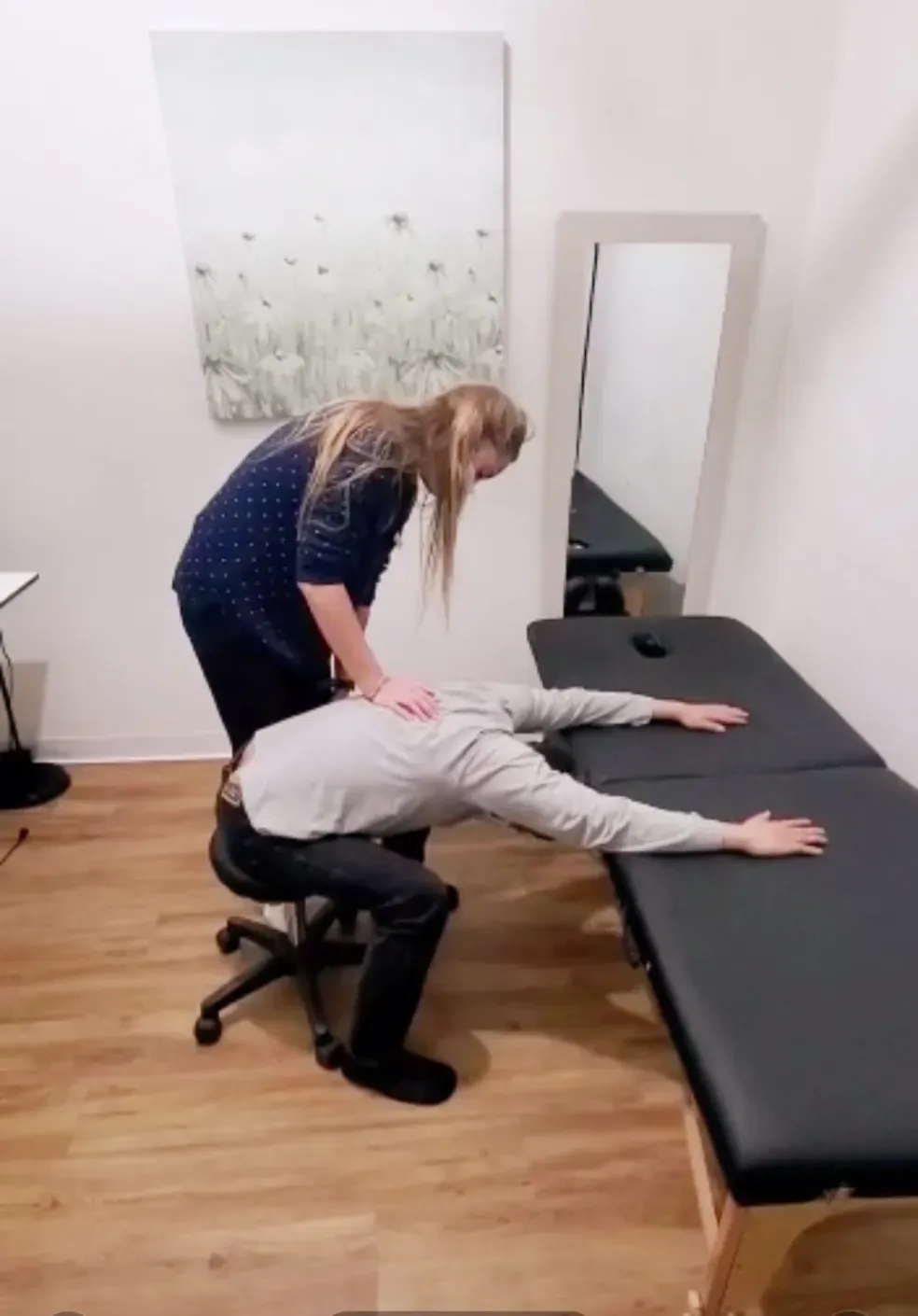
- Assessment: a thorough assessment helps identify contributing factors such as foot mechanics, gait and lifestyle.
- Customized exercise program: to strengthen the muscles supporting the foot and improve flexibility.
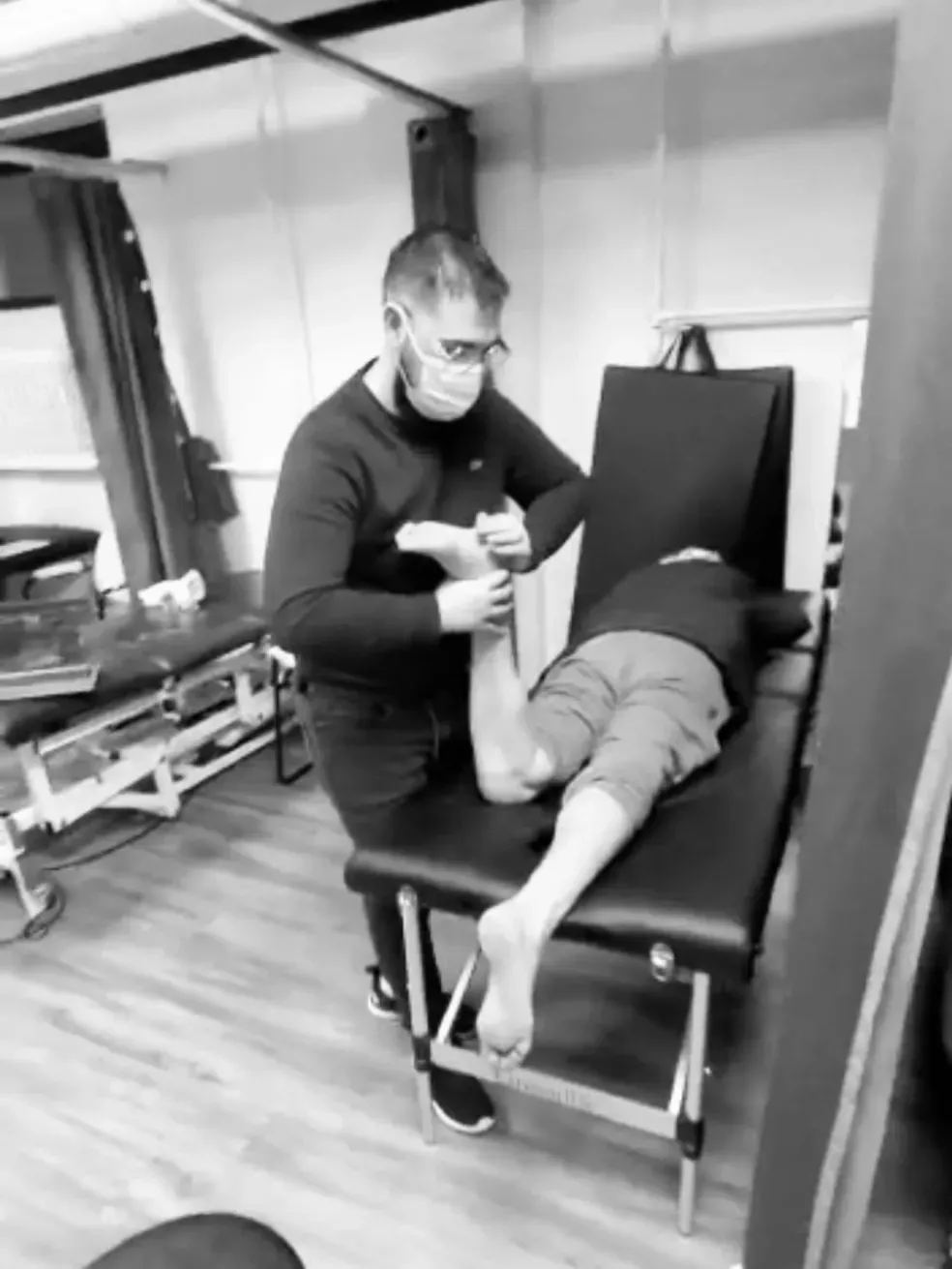
- Manual therapy: massage, joint mobilization and stretching to relieve tension.
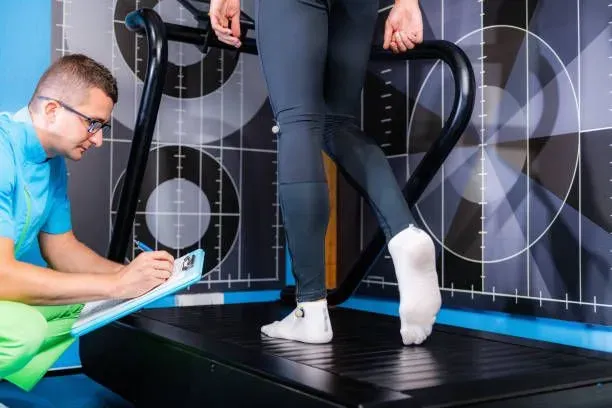
- Gait analysis: to identify abnormalities that may contribute to the problem.
- Footwear advice: choosing shoes with proper arch support and cushioning.
- Pain relief modalities: such as ultrasound or ice therapy.
- Education and prevention: proper warm-up, gradual increases in activity and lifestyle adjustments.
Take Control of Your Foot Health
Plantar fasciitis can be challenging, but with the right physiotherapy, its impact can be significantly reduced. If you are experiencing heel pain, consulting a physiotherapist is an important step. Book an appointment with our team and take the first step toward better mobility.
Injured at work? Our physiotherapists also support workers with a CNESST claim.