Constipation is a common digestive disorder that can significantly affect well-being. Let’s explore how physiotherapy can play an essential role in managing constipation and improving bowel function.
Understanding Constipation
Constipation occurs when stools are difficult to pass or bowel movements are infrequent. It can be caused by a sedentary lifestyle, dehydration, low fiber intake, weak abdominal and pelvic floor muscles, poor toilet posture and certain medical conditions. If left untreated, chronic constipation can cause discomfort and contribute to other problems, such as prolapse or urinary incontinence.
The Role of Physiotherapy
- Education and lifestyle: the importance of good hydration, a fiber-rich diet, a regular toilet routine and responding promptly to the urge. Advice on stress management and reducing prolonged sitting.
- Breathing and relaxation: diaphragmatic breathing and relaxation techniques support better coordination and make bowel movements easier.
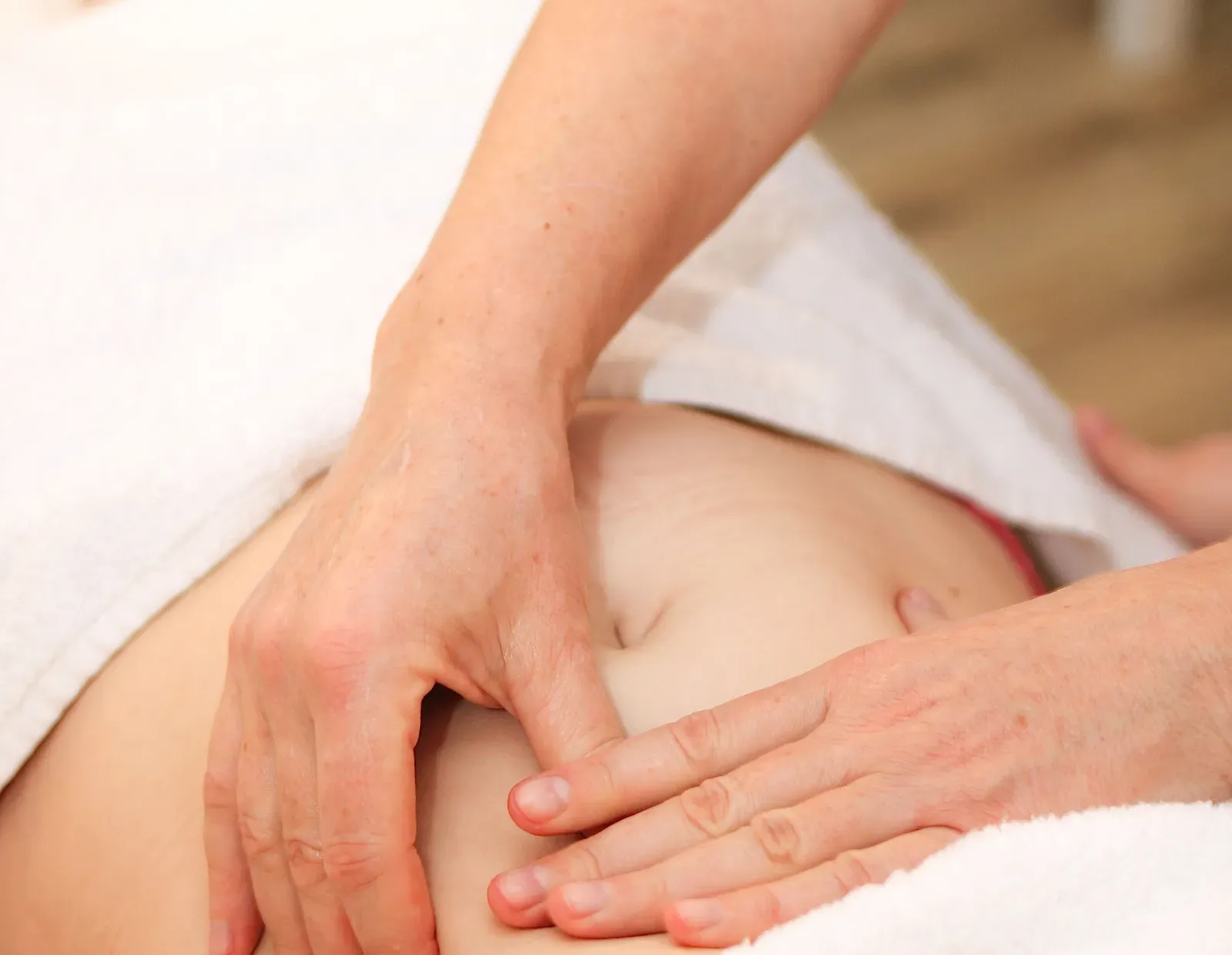
- Manual therapy: techniques such as abdominal massage can stimulate the digestive system and relieve discomfort.
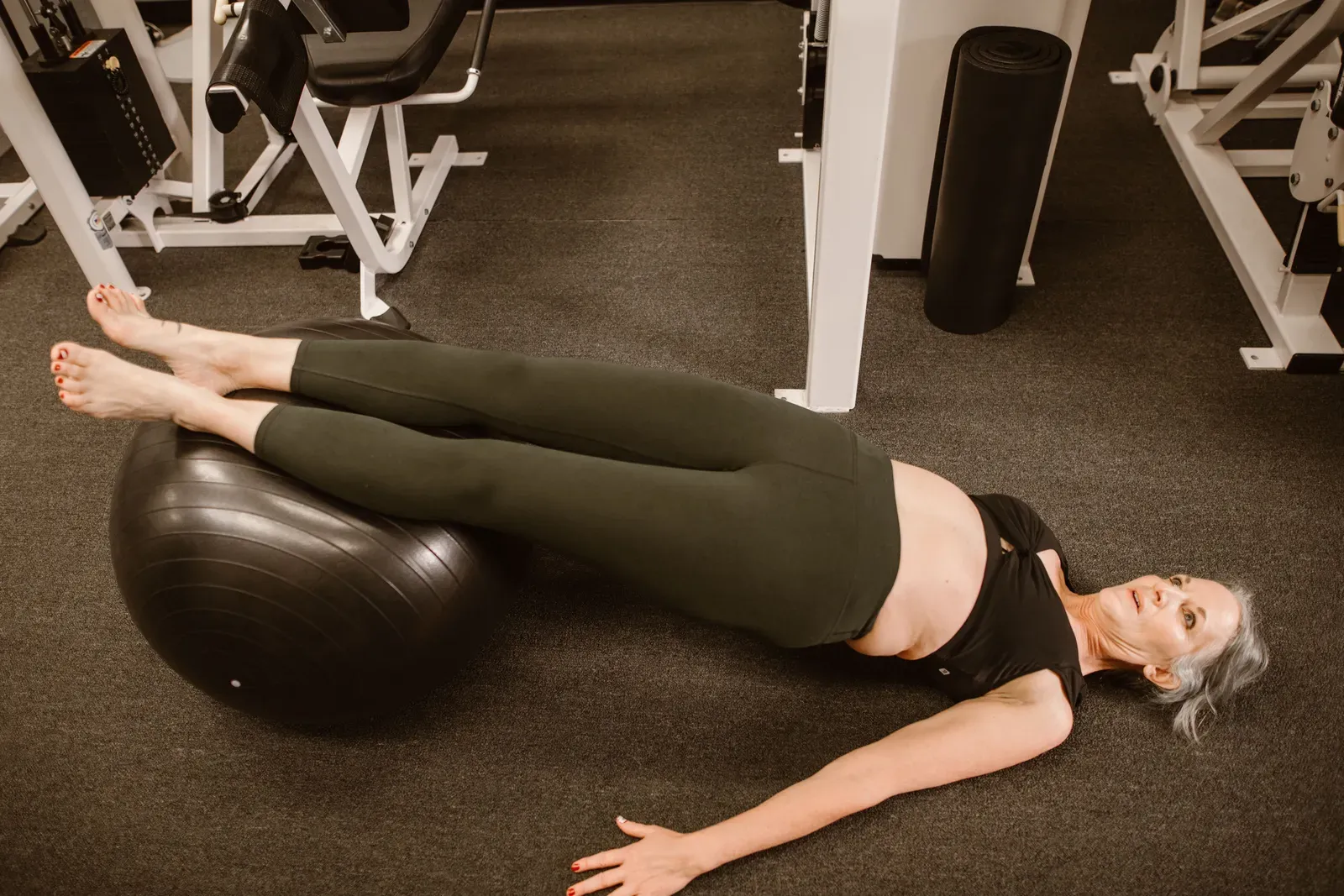
- Abdominal and pelvic floor muscle training: targeted exercises to improve bowel function and reduce straining.
- Posture and toilet position: learning the right position to make bowel movements easier.
- Exercise and physical activity: regular activity, adapted to your abilities, supports healthy bowel function.
- Collaborative care: physiotherapists can work with other health professionals, such as gastroenterologists and dietitians, for complete care.
Conclusion
Physiotherapy offers useful interventions to manage constipation by addressing its causes and supporting healthy bowel function. If you are experiencing chronic constipation, contact us to create a personalized treatment plan.