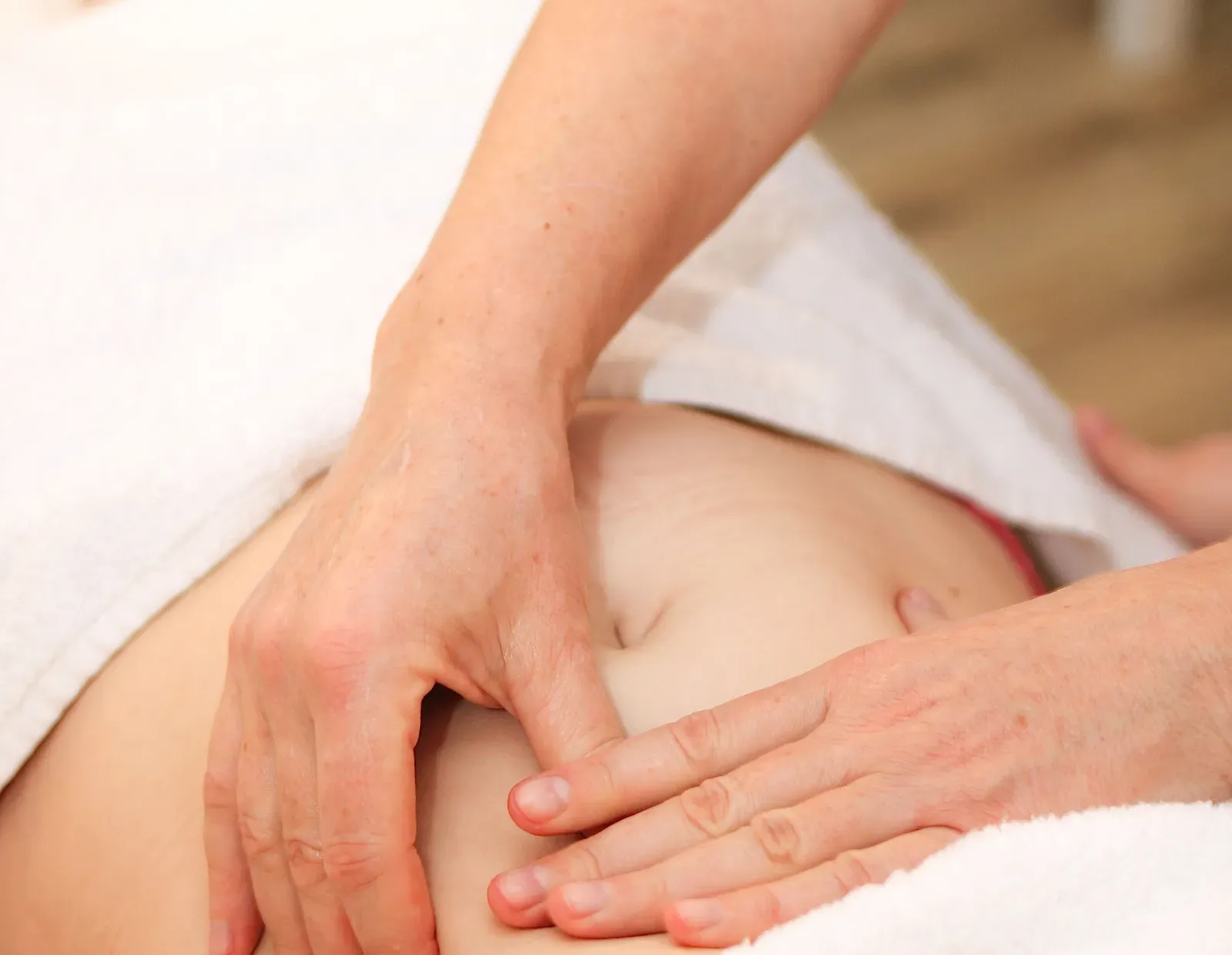
Welcome to our blog series on pelvic health! Today, we dive into a crucial aspect: managing incontinence through physiotherapy. Incontinence, the involuntary loss of bladder or bowel control, affects many people and impacts daily life. Let’s explore the causes and contributing factors and understand how physiotherapy can help you on the journey to pelvic power.
Understanding Pelvic Health Issues
Incontinence is a complex condition with various causes:
- Muscle weakness: weakened pelvic floor muscles, often due to childbirth, aging or hormonal changes, can contribute to incontinence.
- Nerve damage: conditions such as diabetes or injuries that affect the nerves controlling the bladder can lead to incontinence.
- Pelvic organ prolapse: when pelvic organs (bladder, uterus or rectum) shift from their normal position, it can cause incontinence.
- Urinary tract infections (UTIs): infections can irritate the bladder and lead to temporary incontinence.
The Role of Physiotherapy in Pelvic Health
Physiotherapy plays a vital role in addressing pelvic health concerns, including incontinence. Our physiotherapists conduct thorough assessments to identify the causes and tailor treatment plans to your needs.
Physiotherapy Strategies for Managing Incontinence
Physiotherapy uses a range of strategies for managing incontinence. From targeted exercises to lifestyle changes, our physiotherapists are dedicated to providing solutions tailored to your needs.
Exercises for Pelvic Strength
- Pelvic floor contractions: sit comfortably and contract your pelvic muscles. Hold for a few seconds, then release. Repeat 10 to 15 times.
- Bridge exercise: lie on your back with knees bent and lift your hips. Squeeze your glutes and pelvic floor. Lower and repeat 10 times.
- Deep abdominal breathing: focus on diaphragmatic breathing. Inhale deeply through your nose, expanding your abdomen, then exhale slowly through your mouth.
Lifestyle Tips for Pelvic Health
Incorporate practical lifestyle tips into your routine to complement physiotherapy and support pelvic health. Small changes can make a significant impact on managing incontinence.
Conclusion
Managing incontinence is a journey, and physiotherapy can be your guide. Take the first step towards a healthier, more confident you.
Ready to prioritize your pelvic health? Book your appointment online today or give us a call to see how we can help you regain control and confidence.